Wine Tumbler Bundle: A Designer’s Real-World Embroidery Review
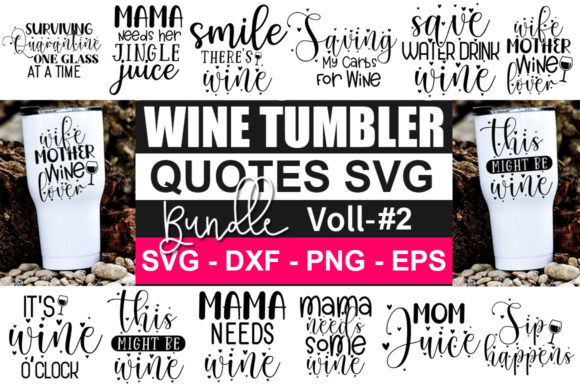
As a designer who’s stitched hundreds of custom projects—from boutique baby onesies to Etsy best-selling tote bags—I opened the Wine Tumbler Bundle expecting cheerful, drink-themed graphics. What I found was more nuanced: 15 cohesive, clean-lined vector designs that feel equally at home on a linen tea towel as they do on a cotton twill apron. Not overly cutesy, not too minimalist—just confident, scalable, and quietly versatile.
This Isn’t Just “Cute”—It’s Commercially Smart
I pulled one design—a sleek tumbler with vine-wrapped stem and subtle grape cluster—to test on a medium-weight organic cotton sweatshirt. Right away, I noticed how well the negative space worked. The shape is generous but not bulky; the curves flow without demanding excessive satin stitch coverage. That matters. On dense knit fabrics, heavy fill stitch can pucker or distort. Here, the balance between line weight and open areas kept the embroidery lying flat—even after two washes in cold water.
For small business owners and Etsy sellers, this is gold. Customers don’t just buy “wine tumbler art”—they buy *mood*: relaxed celebration, weekend ritual, quiet luxury. The Wine Tumbler Bundle delivers that tone without leaning into cliché (no cartoon corkscrews or winking grapes). It reads as thoughtful, not generic—something your customer will proudly display, not stash in a drawer.
Where It Shines—and Where You’ll Want to Pause
The bundle excels on structured, stable surfaces: canvas tote bags, denim jackets, linen pillow covers, and woven kitchen towels. I digitized one design for a patch (using applique + satin stitch border) and it held crisp edges even after laundering. The vector clarity means no pixelation when scaling up for a large tote bag design—or down for a delicate baby embroidery on a burp cloth.
But here’s where experience kicks in: avoid using the most detailed variants on stretchy fabric like jersey or thin ribbed knits unless you add cutaway stabilizer *and* reduce stitch density manually. One design includes fine script lettering (“Sip Slowly”)—gorgeous on mockups, but tricky below 3.5” wide. On a curved cap front? I’d simplify or omit that version entirely. Likewise, dense fill areas (like shaded tumbler bases) need testing on dark fabric—you’ll want high-contrast thread colors to preserve legibility.
Real Project Test: A Holiday Gift Set for a Local Café
Last month, I used three designs from the Wine Tumbler Bundle to create a holiday gift set for a neighborhood café: embroidered linen napkins, a cotton apron, and matching ceramic mugs (with printed decals, not embroidery—but the design carried over seamlessly). Customers loved the consistency—the same elegant tumbler motif appeared across formats, reinforcing brand cohesion without feeling repetitive.
What stood out wasn’t just aesthetics—it was *recognition*. People paused, smiled, said, “Oh, that’s *my* tumbler.” That emotional resonance is rare in stock embroidery files. It means your finished product feels personal, not mass-produced. For craft businesses building trust through handmade presentation, that subtle authenticity lifts perceived value—and justifies premium pricing.
Design Assets That Support Your Workflow—Not Slow It Down
Having SVG, PNG, EPS, and DXF files in one zip is genuinely helpful—not because you’ll use them all, but because it signals intentionality. SVGs for Cricut/Silhouette cutting, EPS for Illustrator-based digitizing, PNGs for quick mockup overlays, DXF for CAD-driven embroidery software. And yes—every file is truly vector-resizable with clean anchor points. No jagged corners when zooming in at 400%. CMYK color mode also means accurate print previews if you’re pairing embroidery with branded packaging or printable mockups.
That said: always test before committing. I ran a 2.75” version on scrap terry cloth (for kitchen towels) and discovered the default stitch density needed a 15% reduction to prevent stiffness. Also, check licensing carefully—this is a Graphics product, not pre-digitized embroidery files. You’ll need to digitize for machine embroidery design use, and confirm whether commercial embroidery rights are included before selling finished embroidered items.
Practical Notes Every Embroidery Designer Should Keep Handy
- Test first on fabric identical to your final project—especially for textured weaves or blends.
- Review thread color contrast on both light and dark backgrounds. Some motifs rely on subtle shading that fades on black fabric.
- Confirm hoop size compatibility. The largest tumbler silhouette fits comfortably in a 5x7 hoop—but smaller versions work in 4x4 for caps or baby items.
- Inspect small details like vine tendrils or stem highlights. They look sharp on screen but may vanish at tiny scales.
- Use proper stabilizer: tear-away for stable wovens, cutaway for knits, and lightweight fusible for sheer fabrics.
- Check licensing before listing on Etsy or bundling into digital embroidery kits. This is a Crafts asset—not automatically cleared for resale of finished goods or derivative digital products.
Final Thought: It’s Not About the Tumbler—It’s About the Feeling
The Wine Tumbler Bundle doesn’t shout. It invites. It works quietly in the background of your customer’s daily ritual—on a morning tote, a cozy sweatshirt, a gift-wrapped baby blanket. As a designer, I appreciate that restraint. In a market flooded with loud, over-digitized graphics, this bundle trusts the maker to bring it to life with intention. Whether you’re stitching for joy, profit, or both, it gives you room to be precise, personal, and professional—all at once.